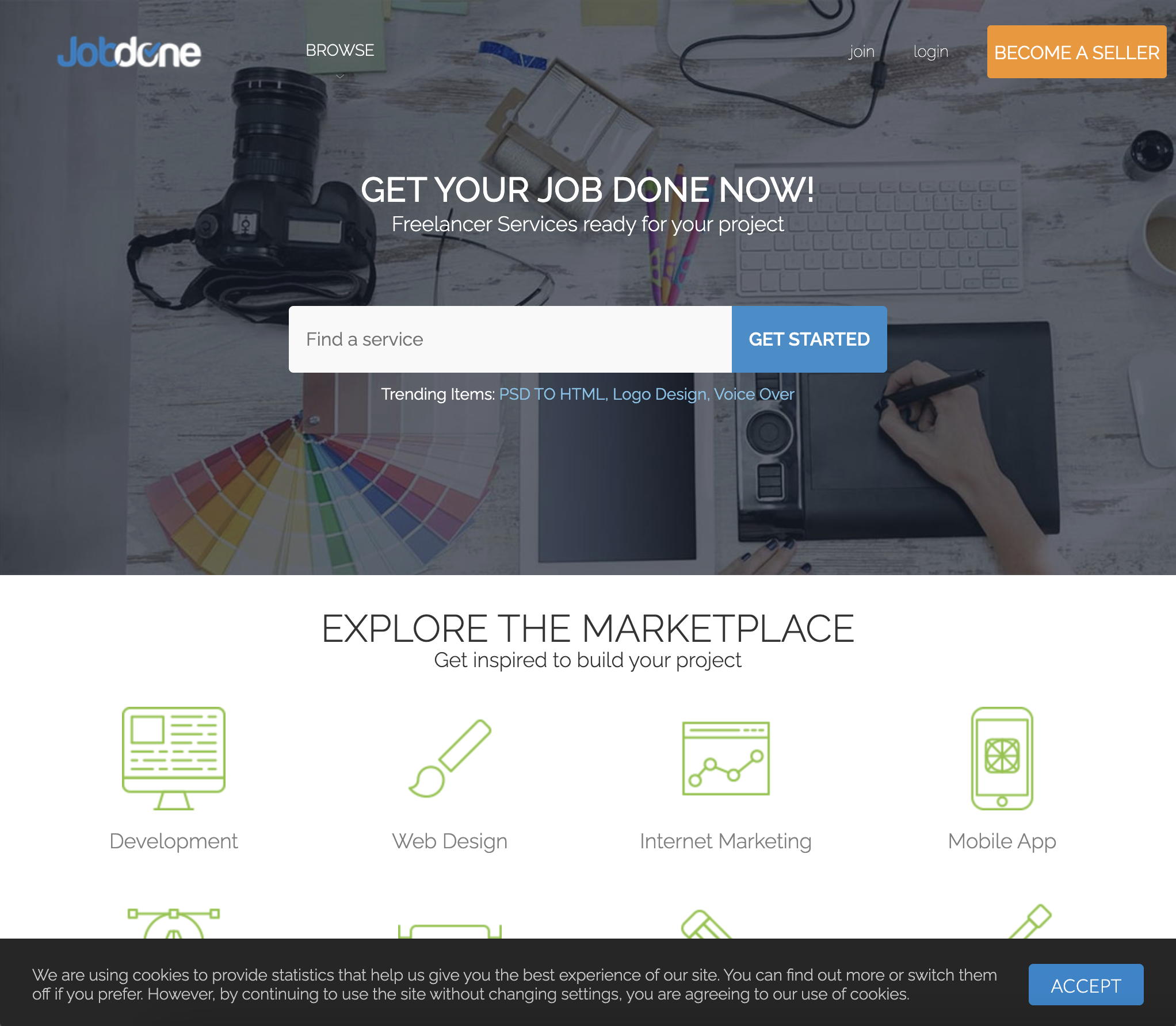
In the world of entrepreneurship, failure is often romanticized. But when you’re in the middle of it, there’s nothing romantic about it. It’s brutal. A few years ago, I shut down jobdone.net, a project in which I invested enormously. Looking back, the failure was a “perfect storm,” but its epicenter was a single fundamental mistake, born from friendship.
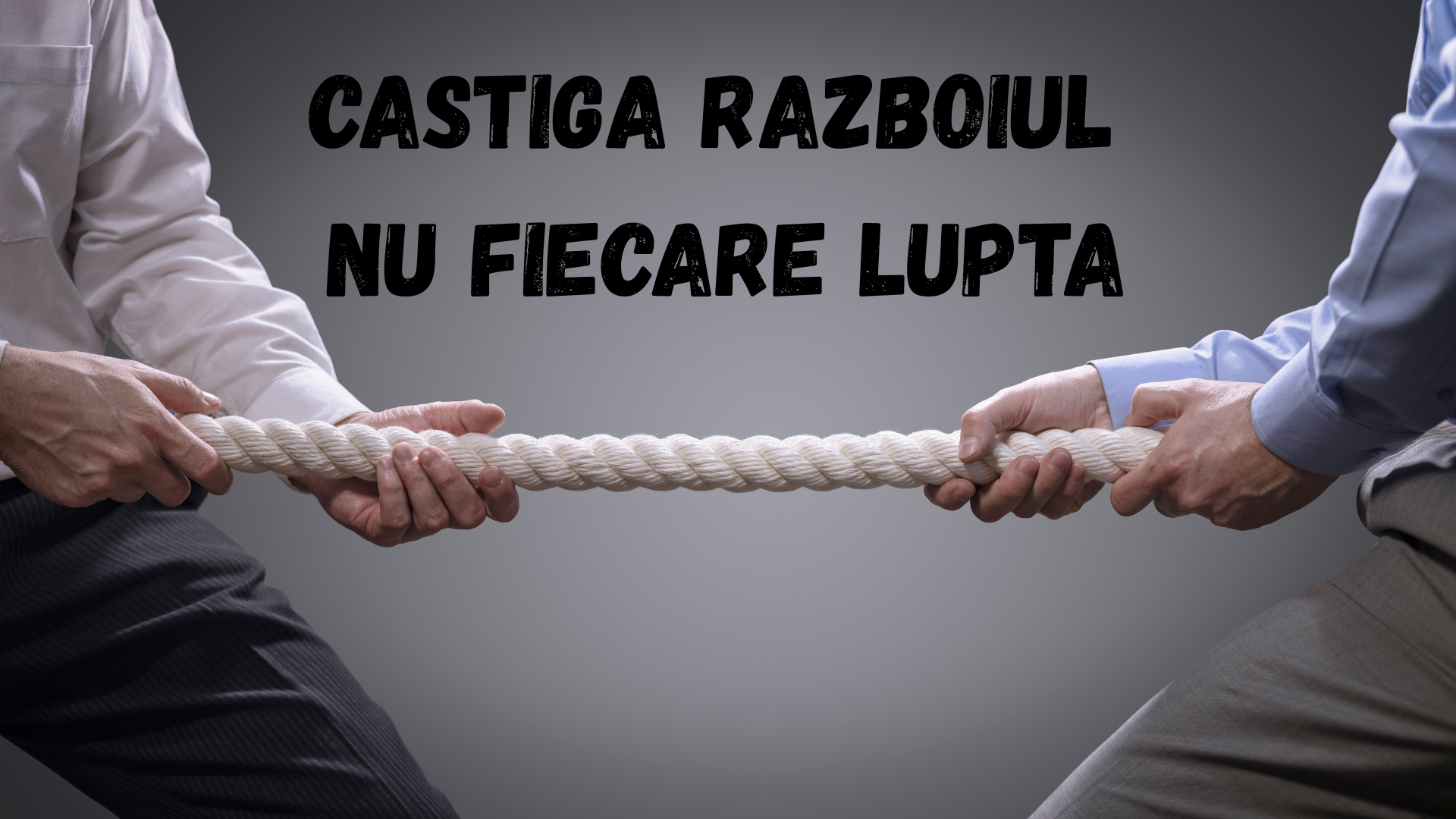
Pillar #1: I Underestimated Everything. Especially Marketing Costs. I had a big vision: a global freelancing platform. I hired top programmers, at huge costs, to build an impeccable technical system. I brutally underestimated the real costs, especially marketing ones. Competing in an international market is not a game; it requires a war budget. I went into battle with a knife when I needed a tank.
The Lesson: Today, I’m obsessed with business models with low acquisition costs and rapid validation. I no longer build a perfect product for a year. I build a minimum viable product in 3 months, test the market with a tiny budget, and scale costs only after the numbers prove I have a profitable economic engine.
Pillar #2 (The Fatal Error): I Believed Words, Not Facts. To solve the marketing problem, I brought a friend on board. He promised me he was the expert I needed. That he would bring clients, that he would build the brand. And, because he was my friend, I took his word for it. I offered him significant equity from the start, without testing him, without asking for concrete results first.
It was the biggest mistake of my entrepreneurial life.
I discovered the truth only after I was bound by agreements impossible to cancel: the promises were empty. He pretended to work, but results never appeared. I pulled alone, bearing the huge costs, while he owned a big piece of my dream. At some point, he became a permanently engaged handbrake.
The Lesson (written in blood): “Trust, but verify.” Today, my system is completely different. I’ve called it the “Zero Trust” system, not because I’m cynical, but because I’m pragmatic.
- “Show Me, Don’t Tell Me”: Any “expert,” friend or not, who wants to join a project must first deliver. We collaborate on a pilot project, for a short period, paid as a consultant. I want to see concrete, measurable results. Facts speak, promises are noise.
- Equity Is Earned, Not Given as a Gift: Co-founder status is sacred. It’s granted only after a proven period of collaboration and, even then, it’s conditional on a vesting schedule. You have to prove to me that you bleed for this project as much as I do.
Conclusion: The Scar That Made Me a Better Entrepreneur
The failure of jobdone.net cost me enormously. But it taught me something no business school could have: the real value of a partnership lies not in promises, but in proven results.
This scar forced me to build verification systems, to align interests through clear mechanisms, and to be much more careful in choosing partners. And, paradoxically, this extreme caution is what gives me today the courage to build even bigger and more ambitious projects. Because now I know exactly which mistakes never to repeat.
The story with jobdone.net started in 2013 (that is, approximately 12 years ago, at the time I wasn’t ready to be an entrepreneur)