
A Real Lesson for Young Entrepreneurs
There are moments in an entrepreneur’s life when you’ll encounter less transparent methods by which companies or individuals try to silence you. Not through arguments, but through legal pressure. Through apparently authoritative legal language, through formal notifications meant to scare you, through invoking serious accusations – such as defamation or unfair competition – when, in fact, all you did was express an opinion, based on facts.
Just as happened in the past with companies like Nordis (real estate developer), who managed to stay on the market for years because no one had the courage or energy to publish the contracts before signing, the same happens today in other fields. Silence is harmful.
If someone had the courage to publish in good faith such a harmful contract before hundreds of people signed it, probably dozens or hundreds of cases would have been avoided.
What Happened to Me – the DAMIAN GLOBAL BUSINESS S.R.L. Case
On July 10, 2025, I published a blog article in which I analyzed point by point the clauses of a contract sent by this company during the pre-contracting stage. I didn’t sign it. I didn’t proceed with it. I just received it, read it, and decided to share with other entrepreneurs my conclusions, because it contains clauses that can become harmful if not properly understood.
The article contained no personal attacks, made no criminal accusations, and used no private information. It was a critical analysis, based exclusively on the content of a document officially received from the company. A right guaranteed by the Constitution (Art. 30) and by the European Convention on Human Rights (Art. 10).
What Happened Next
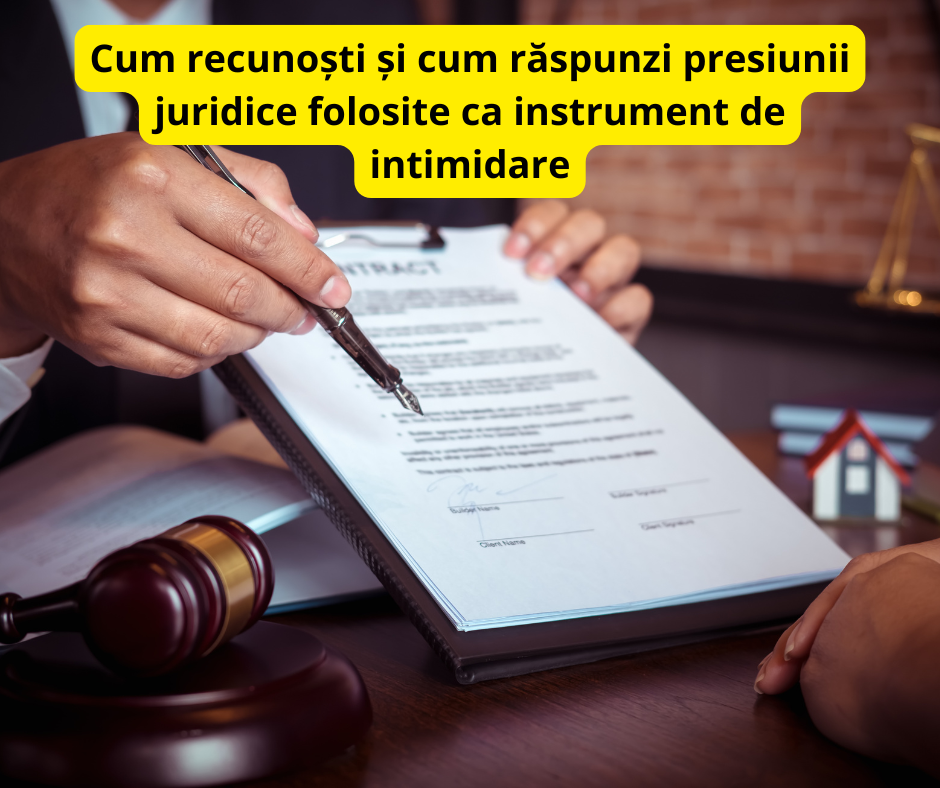
On July 22, 2025, I received an official notification from the company’s lawyer, requesting:
- that I delete the article;
- that I refrain from any other publicly expressed opinion;
- and I was advised that publishing my own services (in a separate article) would constitute “unfair competition.”
This request, in my opinion, has no legal basis. Furthermore, it raises serious questions about the use of legal formalism for intimidation.
I chose to delete the article about my service test (which was not an active commercial offer, but a market test), but I will not delete the article in which I express my opinion about the received contract.
Why I’m Publishing This New Article
I’m publishing it because it is my moral duty, as an entrepreneur, to sound the alarm when I observe practices that can financially and legally affect other people. I was legally blackmailed in the past, I lost businesses due to lack of legal experience, but today I’m no longer there. Today I understand that fear is not a strategy.
My advice for young entrepreneurs is simple:
- When you receive a notification that seems unjustified, don’t be scared.
- Don’t act impulsively. Ask a lawyer’s opinion.
- Formulate firm but correct responses.
- And, if you have the conviction that you acted correctly, go all the way.
I choose to do exactly that. Not because I like conflict, but because I’ve learned that silence is dangerous. And if this article helps others be more vigilant, more courageous, and better prepared legally, then my purpose is fulfilled.
Right of Reply
As in the previous article, I publicly offer the mentioned company the right of reply. I invite them to send me a text of maximum 300 words, signed by the legal representative, and I will publish it in its entirety, without modifications, at the bottom of the article.
In Closing
Not everyone who writes is a hater. Not everyone who criticizes is an enemy. Sometimes, criticism is the only form of defense an honest entrepreneur has left.
And, in the end, the judge will decide – not the lawyer who sends the notification.


